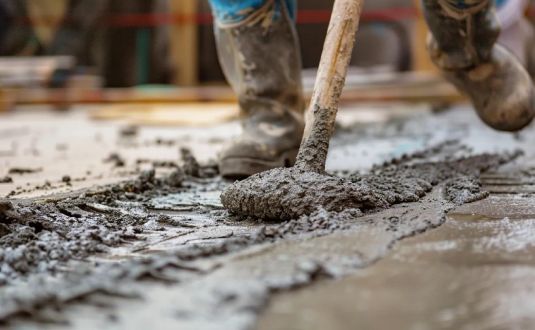
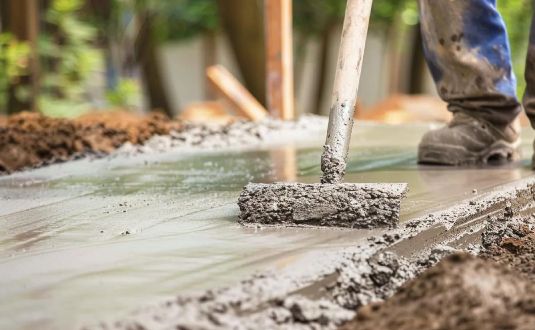
The downsides of stamped concrete include its tendency to crack over time, especially in areas with shifting soil or temperature changes. It also requires regular sealing to maintain its color and prevent surface damage. Stamped concrete can become slippery when wet, and repairs are difficult because matching patterns and colors can be challenging. Installation must be done correctly, or the surface can fade, chip, or develop uneven textures.
Why Stamped Concrete Cracks
All concrete will crack at some point. It's not a question of if, but when. Stamped concrete is no different from regular concrete in this way.
How Cracks Start
Concrete acts like a big piece of glass. When temperatures go up and down, the concrete expands and shrinks. This movement creates stress inside the material. Over time, these stresses build up and cause cracks to form.
Water plays a big role too. When water gets into the tiny holes in concrete and then freezes, it expands by 9%. This expansion pushes against the concrete from the inside. According to research from the National Institutes of Health, freeze-thaw cycles are one of the main causes of concrete damage in cold areas.
The cracks start small. You might not even see them at first. But each winter makes them bigger. More water gets in, freezes, and pushes the crack wider. Before you know it, you have visible damage.
Common Places Where Cracks Show Up
Cracks often appear in certain spots on stamped concrete. They show up along the edges and corners of stone patterns, at control joints where the concrete was designed to crack, in high-traffic areas like driveways, where heavy vehicles park or drive, and near downspouts or areas with poor drainage.
Deeper stamp patterns make cracking worse. When you push stamps with deep grooves into concrete, you're creating weak spots. These grooves concentrate stress and become places where cracks like to start.
What Makes Cracking Worse
Temperature swings are one major factor that speeds up cracking. Areas with big temperature changes between day and night or summer and winter see more cracks because the concrete never gets a break from expanding and shrinking. Poor installation also plays a role - if the concrete wasn't mixed right, poured at the right time, or allowed to cure properly, it will crack sooner.
Heavy loads create another problem. Parking cars, RVs, or having delivery trucks drive over stamped concrete puts extra stress on it. Most stamped concrete patios aren't designed for this kind of weight. Bad drainage makes things worse too. When water pools on concrete, it soaks in deeper, leading to more freeze-thaw damage and faster cracking.
The Problem With Stamping and Cracks
Here's something most people don't think about: the stamping process itself can cause cracks. When workers push heavy stamps into concrete, they need to do it at just the right time.
If they wait too long and the surface gets crusty, the pressure from the stamps creates small surface cracks. These are called shrinkage cracks. They happen most often with darker colors that absorb heat and dry faster.
Repairs Are Difficult and Expensive
When stamped concrete gets damaged, fixing it is not easy or cheap. This is one of the biggest downsides people don't consider until it's too late.
Why Repairs Don't Match
The main problem with repairing stamped concrete is matching the original look. You need to match three things: color, pattern, and texture. Getting all three right is almost impossible.
Color matching is very hard. Even if the repair crew uses the same color mix, it won't look the same because the new concrete cures differently than the old concrete. Sunlight and weather have changed the color of your existing concrete over months or years. Pattern matching takes real skill too. The stamps need to line up perfectly with the existing pattern, and even being off by an inch makes the repair obvious. Most contractors don't have the exact same stamps that were used years ago. Texture can't be fixed at all. Once concrete is stamped, that texture is permanent. According to concrete experts, matching colored concrete repairs is one of the trickiest parts of the job.
The Cost of Fixing Stamped Concrete
Repairs cost more than most homeowners expect:
Small crack filling: $100 to $400 per area
Patching damaged sections: $500 to $1,500
Resurfacing with overlay: $3 to $7 per square foot
Complete removal and replacement: $8 to $19 per square foot
Compare this to pavers, where you can just replace individual pieces that are damaged. With stamped concrete, even a small repair can require redoing a large area to make it blend in.
When You Need to Start Over
Sometimes the damage is so bad that repair won't work. You'll need to tear out and replace the concrete when large cracks run through multiple sections, the surface is badly scaled or spalling, color fading is severe and uneven, the concrete has settled unevenly, or previous repairs have failed and look worse.
Starting over means paying for concrete removal ($3 to $8 per square foot), disposal fees, and complete reinstallation. For a typical 400 square foot patio, you could be looking at $5,000 to $10,000 or more.
Why Professional Help Costs More
You can't just hire any concrete worker to fix stamped concrete. You need someone with specific skills in decorative concrete. These specialists charge higher rates because they need special tools and materials, color matching takes time and testing, they have years of experience with decorative work, and they understand how to blend repairs properly.
Ongoing Maintenance Adds Up
Stamped concrete needs regular care to stay looking good. This maintenance isn't optional if you want your concrete to last.
The Sealing Schedule
You must reseal stamped concrete every 2 to 3 years. This is a must-do, not a maybe-do. According to the Concrete Network, sealing protects against water damage, staining, and UV fading.
What sealing costs:
DIY materials: $0.10 to $0.75 per square foot
Professional sealing: $1.35 to $2.50 per square foot
For a 400 square foot patio: $540 to $1,000 every 2-3 years
That means over 20 years, you'll spend $3,600 to $7,000 just on sealing. This is money that owners of regular concrete or pavers don't have to spend as often.
Cleaning Requirements
Stamped concrete needs more than just a quick hose-down. Regular cleaning means sweeping weekly and washing monthly with mild soap and water to remove dirt before it stains the concrete. Deep cleaning before sealing is required too. You must pressure wash and remove all dirt, oil, and the old sealer before applying new sealer. This cleaning costs $0.35 to $0.75 per square foot if you hire professionals. Stain removal is another task. Oil, grease, and rust stains need special cleaners, and if you don't remove them right away, they soak in and become permanent.
What Happens Without Maintenance
Skip the maintenance and several problems appear. Colors fade faster without sealer protection, stains soak in and become impossible to remove, water damage happens more quickly, the surface becomes rough and ugly, and cracks appear sooner and spread faster. The U.S. Department of Transportation notes that proper concrete maintenance significantly extends service life. Without it, your stamped concrete might only last 10-15 years instead of 25-50 years.
Comparing Maintenance to Other Options
Let's look at what maintaining different surfaces costs over 20 years:
Slippery When Wet
This is a safety issue many people don't think about until someone slips and falls.
Why It Gets Slippery
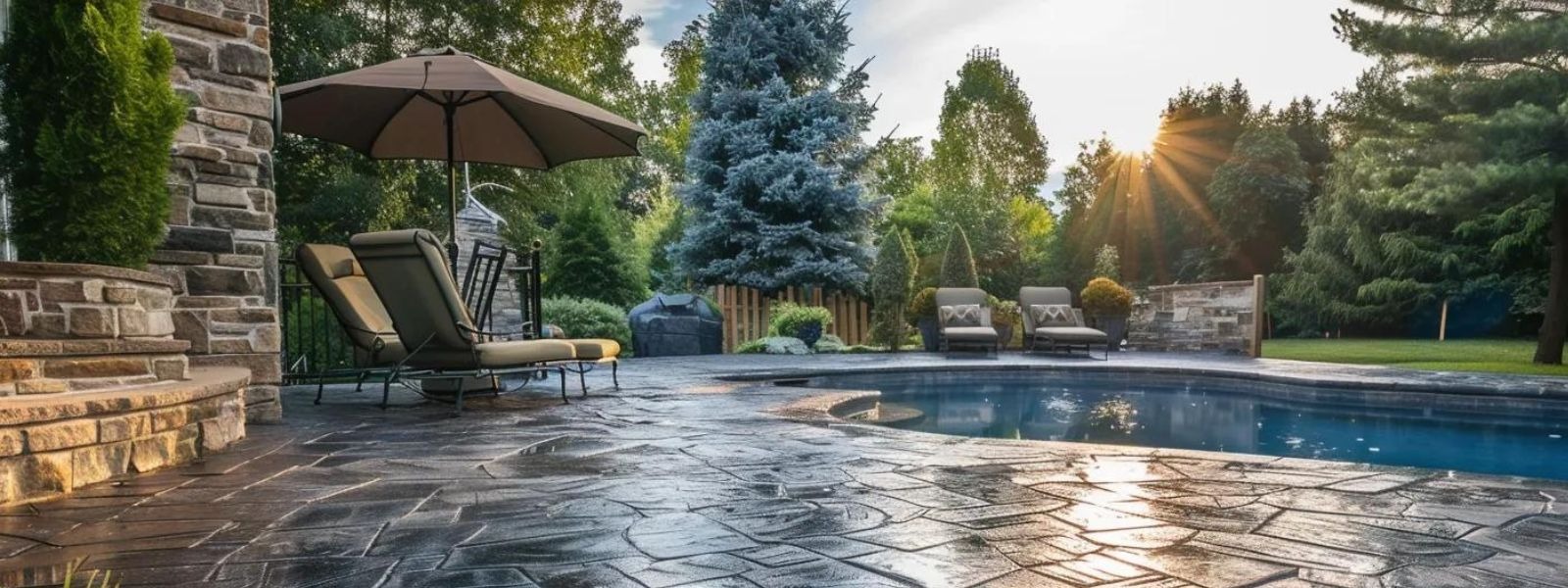
The stamping process creates smooth surfaces in some patterns. Stone and slate patterns can be especially smooth. When you add sealer on top, it creates a slick finish.
Water on this smooth surface has nothing to grip. Your shoes slide right across it. Rain, snow, or even morning dew can turn your patio or walkway into a skating rink.
High-Risk Areas
Some spots are more dangerous than others. Pool decks are always wet from splashing and dripping, and bare feet on smooth concrete is a recipe for falls. Driveways get slippery from morning dew and rain right when you're rushing to your car. Steps and slopes become extra dangerous when wet because any incline makes slipping worse. Shaded areas stay wet longer and can grow algae or moss, making them even more slippery.
Solutions That Help
You can make stamped concrete less slippery, but it costs extra. Non-slip sealer with additives creates a slightly rough texture, but these need to be reapplied every time you seal. Textured patterns like cobblestone or rough stone are safer than smooth slate patterns. Anti-slip treatments are special coatings that can be applied, but they change the look of your concrete and wear off over time. Proper drainage also helps by making sure water doesn't pool on the surface. Good drainage means less standing water and less slipping.
Even with these solutions, stamped concrete will never be as slip-resistant as broom-finished concrete or pavers with sand between them.
Color Fading Is Common
Your beautiful tan, brown, or red stamped concrete won't stay that vibrant forever. Color fading is one of the most common complaints from homeowners.
What Causes Colors to Fade
UV rays from the sun break down color pigments just like your clothes fade in sunlight. The sun damages stamped concrete colors over time, and darker colors fade faster because they absorb more heat and UV light. Weather exposure like rain, snow, and ice all wear away at the color too. Each storm takes a little bit of pigment with it. Wear and tear from walking on the concrete, dragging furniture, and other use grinds away the surface color. Poor sealing speeds up the process. If you skip sealing or use cheap sealer, colors fade much faster because good sealer blocks UV rays and protects the pigment.
How Fast Fading Happens
Most stamped concrete starts showing noticeable fading after 3 to 5 years, even with proper maintenance. The exact timeline depends on your climate (sunny areas fade faster), the color chosen (dark colors fade more), how well you maintain it, and the quality of the original materials. By 10 years, significant fading is visible on most stamped concrete. The bright colors from installation day are long gone.
The Cost to Restore Faded Color
When your concrete looks washed out and ugly, you have options. Staining involves applying concrete stain to bring back color, and this costs $3 to $10 per square foot. The color won't match perfectly, but it's better than faded concrete. Color-enhancing sealer is another choice. Special tinted sealers can deepen colors and cost slightly more than regular sealer but need to be reapplied every 2-3 years. Complete recoloring is for severe fading. You might need a complete color refresh with dyes and stains, and this can run $5 to $15 per square foot.
None of these solutions are permanent. The new color will also fade over time, and you'll be back to square one in another 5-10 years.
Damage From Ice and Salt
If you live where it snows, this downside is critical to understand. Ice and salt can destroy stamped concrete faster than anything else.
The Freeze-Thaw Problem
Here's what happens every winter:
Water soaks into the tiny pores in concrete
Temperature drops below freezing
Water turns to ice and expands 9%
This expansion creates pressure inside the concrete
Small cracks form
Temperature rises and ice melts
More water flows into the new cracks
The cycle repeats
According to freeze-thaw research, areas with frequent freeze-thaw cycles see the worst concrete damage. Each cycle makes existing cracks bigger and creates new ones.
After 100 freeze-thaw cycles, concrete can lose significant strength. After 200 cycles, visible damage appears. That could be just two or three winters in some areas.
The Salt Problem
Many people think salt damages concrete directly. That's not quite right. Salt doesn't react with concrete chemically. But here's what salt does do.
Salt makes freeze-thaw worse. It melts snow and ice, creating more water that soaks into concrete. More water means more freeze-thaw damage. Salt also lowers the freezing point. Salty water freezes and thaws at different temperatures than pure water, increasing the number of freeze-thaw cycles your concrete goes through. Salt causes surface damage too. The salt solution that forms causes surface scaling, which is when the top layer of concrete flakes off. On stamped concrete with color on the surface, this removes your decorative finish. According to the Bureau of Transportation Statistics, de-icing chemicals significantly increase freeze-thaw damage when concrete isn't properly protected.
What You Can't Use on Stamped Concrete
This is a huge problem in winter: you can't use regular rock salt or many ice melters on stamped concrete. Most concrete contractors and sealant companies warn against using salt. What this means for you is that you need to shovel more carefully, ice removal takes longer, you need to buy special ice melters that are concrete-safe, these special products cost more, and even concrete-safe ice melters can cause some damage.
Alternatives that work include sand for traction (doesn't melt ice), calcium magnesium acetate (expensive but safer), careful shoveling with plastic shovels, and heated mats (very expensive). None of these work as well as salt for melting ice. This makes stamped concrete driveways and walkways harder and more dangerous to maintain in winter.
The Visible Damage
Freeze-thaw and salt damage shows up in several ways. Scaling makes the surface look flaky or peeling, with white or light spots appearing where the colored surface has come off. Spalling happens when chunks of concrete break off, exposing the aggregate inside. This looks terrible and can't be fixed without major repairs. Increased cracking means cracks spread faster and deeper in freeze-thaw conditions. Color loss is another issue where the decorative color wears away, leaving gray concrete showing through.
For anyone considering driveways in cold climates, this is a serious concern. Many concrete experts say stamped concrete is a poor choice for driveways in areas with harsh winters.
Installation Must Be Perfect
Unlike some home projects where small mistakes can be fixed, stamped concrete installation must go right the first time. There are no do-overs.
The Skill Factor
Not every concrete contractor can do quality stamped work. This is a specialty that requires years of experience with decorative concrete, understanding of proper timing, knowledge of color products, skill with stamping tools, and ability to work fast before concrete sets. Hiring the wrong contractor leads to problems that can't be fixed. According to decorative concrete experts, poor installation is one of the biggest issues in the industry. One bad job damages the reputation of stamped concrete for everyone.
What Can Go Wrong
Timing issues are a major concern. Workers have a narrow window to stamp. Too early and the concrete is too soft. Too late and it's crusted over. Either way, you get problems. Color problems happen when concrete batches aren't mixed the same and colors won't match. If there's too much water, colors fade. If coloring products aren't applied evenly, you get blotchy concrete. Pattern mistakes occur when stamps don't line up perfectly. Bad alignment creates obvious lines and mistakes that everyone can see. Weather problems arise when rain, wind, or extreme heat during installation causes issues. Smart contractors won't pour in bad conditions, but some push ahead anyway.
The Cost of Inexperience
When installation goes wrong, you're stuck with ugly concrete you have to look at every day, decreased home value, expensive repair or replacement costs, arguments with the contractor, and possible legal battles. This is why you must hire experienced professionals. Check reviews, ask for references, look at previous work, and get everything in writing. The cheapest bid often means the worst work.
Weather Restrictions
You can't just install stamped concrete whenever you want. Weather puts big limits on installation. Temperature matters because concrete must be poured when temperatures are between 50°F and 90°F. Too cold and it won't cure right. Too hot and it dries too fast. Rain is another issue. Any rain during or right after installation ruins the job, so workers must watch the weather forecast carefully. Wind causes problems too. High winds dry the surface too fast, causing cracks and making stamping difficult. Sun exposure is also a concern. Direct sun on dark concrete makes it dry too fast and creates color problems.
These restrictions mean installation can be delayed for days or weeks, especially in spring and fall when weather is unpredictable. For homeowners, this means your project timeline is uncertain.
Comparing the Downsides to Other Options
Let's see how stamped concrete stacks up against alternatives.
Stamped Concrete vs Regular Concrete
Regular concrete wins on several points. It has lower initial cost, easier repairs, less maintenance needed, better slip resistance (with broom finish), and it's more winter-friendly. Stamped concrete wins on better appearance, more design options, and the ability to look like expensive materials. For many people, the extra cost and maintenance of stamped concrete isn't worth it when regular concrete patios work just fine.
Stamped Concrete vs Pavers
Pavers win on several fronts. They offer easy repairs (just replace broken pieces), very low long-term maintenance, better drainage, more slip-resistance, no cracking issues, and they're easy to adjust or change. Stamped concrete wins on lower initial cost, faster installation, no weeds between joints, and a flatter, smoother surface. Pavers cost more upfront but save money over time with lower maintenance and easier repairs.
Stamped Concrete vs Natural Stone
Natural stone wins on being real material that never looks fake, having a unique one-of-a-kind appearance, being very long-lasting, and holding value well. Stamped concrete wins on much lower cost, faster installation, and a flatter more even surface. Natural stone costs 2-3 times more than stamped concrete, which is why stamped concrete exists. But if you have the budget, real stone beats imitation every time.
When Stamped Concrete Makes Sense
Despite all these downsides, stamped concrete can still be the right choice in certain situations.
Good Uses for Stamped Concrete
Stamped concrete works best when you live in a mild climate. If you don't deal with freeze-thaw cycles, many of the worst problems go away. Areas with warm, dry weather are ideal for stamped concrete. It's also good for low-traffic areas. A back patio that doesn't get walked on much will last longer than a busy walkway or driveway. The budget factor matters too. If pavers or natural stone are too expensive but you want something nicer than gray concrete, stamped concrete is a middle ground. It works when you'll do the maintenance. If you're willing to seal regularly and take care of the concrete, it will last much longer. Hiring top professionals also makes a difference. With excellent installation and using high-quality materials, you'll have fewer problems.
Where to Avoid Stamped Concrete
Don't use stamped concrete for driveways in cold climates. The freeze-thaw damage and inability to use salt make this a bad choice. Regular concrete or pavers are much better. Pool decks are another poor choice because the slippery surface is a safety hazard. Choose something with better traction. High-traffic commercial areas see too much wear and tear. Commercial areas need more durable solutions. Areas with poor drainage should also be avoided. Standing water will ruin stamped concrete faster than anything else.
Making Stamped Concrete Last Longer
If you already have stamped concrete or decide to install it, here's how to get the most life from it.
The Maintenance Schedule
Follow this timeline for best results. Every week, sweep away dirt and debris. Don't let leaves or other material sit on the concrete. Every month, wash with mild soap and water. Remove any stains immediately. Every 2-3 years, get professional cleaning and resealing. Don't skip this. Every 5 years, do a deep inspection for cracks and damage. Repair small problems before they become big ones.
Protection Strategies
Good drainage is critical. Make sure water flows away from your concrete. Fix any low spots where water pools. Furniture pads help too. Put pads under outdoor furniture legs so they don't scratch or wear the surface. Winter care matters. Use plastic shovels instead of metal. Avoid salt and de-icing chemicals. Shade helps when possible. Add shade structures to reduce UV exposure and slow color fading. Regular inspections catch problems early. Catch small cracks early before they spread. Small repairs are cheap. Big repairs are expensive.
Smart Product Choices
When you do maintenance, use quality products. High-grade sealer is worth the money. Don't cheap out on sealer. Good products last longer and protect better. Solvent-based sealers generally perform better than water-based. Penetrating sealers are another smart choice. These soak into the concrete instead of sitting on top. They last longer and look more natural. Non-slip additives matter if safety is a concern. Always add non-slip material to your sealer. UV-protective sealers cost more but slow color fading significantly.
For homeowners in the Huntsville area, working with experienced concrete professionals who understand fiberglass-infused concrete and modern reinforcement methods can help reduce some of these common problems.
Common Questions About Stamped Concrete Problems
How Long Does Stamped Concrete Last?
Stamped concrete typically lasts 25 to 50 years with proper maintenance and sealing every 2-3 years. Without regular care, it may only last 10-15 years before needing replacement.
Can You Fix Cracks in Stamped Concrete?
Yes, but repairs are difficult and expensive because matching the color, pattern, and texture is almost impossible. Small cracks can be filled, but larger damage often requires replacing entire sections.
Is Stamped Concrete Cheaper Than Pavers?
Stamped concrete costs less initially at $8-$19 per square foot compared to pavers at $10-$30 per square foot. However, pavers save money long-term with lower maintenance costs and easier repairs.
Does Stamped Concrete Fade Over Time?
Yes, stamped concrete starts showing noticeable color fading after 3-5 years even with proper sealing. UV rays, weather, and wear all contribute to fading that gets worse over time.
Can You Use Salt on Stamped Concrete in Winter?
No, salt and most de-icing chemicals damage stamped concrete by increasing freeze-thaw cycles and causing surface scaling. You must use concrete-safe alternatives like sand or calcium magnesium acetate.
Final Thoughts
Stamped concrete has several significant downsides that every homeowner should understand before choosing it. The material will crack over time, repairs are difficult and expensive, maintenance costs add up, the surface can be slippery, colors fade, and ice plus salt cause serious damage in cold climates.
For many people, these downsides outweigh the benefits. Regular concrete with a broom finish costs less and performs better in most situations. Pavers offer easier repairs and better long-term value. Natural stone provides real beauty that stamped concrete can only imitate.
However, stamped concrete can still be a good choice if you live in a mild climate, hire experienced professionals, commit to regular maintenance, and use it in appropriate locations. Just go in with your eyes open. Understand what you're signing up for and budget for the ongoing costs.
If you're in the Huntsville, Alabama area and want to discuss concrete options that might work better for your needs, reach out to professionals who can show you alternatives. Sometimes the best solution is stronger, more durable concrete from the start rather than trying to make a decorative surface last in tough conditions.
The key is making an informed decision based on your specific situation, climate, budget, and willingness to maintain your concrete for years to come.
C30 concrete is about 20% stronger than C25, so it handles heavier loads and tougher conditions with less cracking. C25 works great for most Huntsville driveways, patios, and sidewalks, while C30 is better for foundations, retaining walls, RV parking areas, and high-stress slabs where Alabama clay soil and weather can cause shifting over time.
Glass fiber reinforced concrete offers major benefits like higher tensile strength, better crack control, lighter weight, and long-term durability. The fibers create internal reinforcement throughout the slab, helping concrete resist stress, shrinkage, and weather damage, making it ideal for driveways, patios, and outdoor projects in North Alabama.
Fiberglass improves concrete strength by adding tiny fibers that reduce cracking and help the slab hold together under stress. It boosts durability, impact resistance, and shrink control, making it a smart choice for driveways, patios, and high-traffic concrete in Alabama weather.
The cheapest ways to level a concrete slab are grinding (for small high spots) and mudjacking (for sunken slabs). Self-leveling compound is also affordable for shallow indoor dips, and polyurethane foam injection can be cost-effective for small areas where you want a longer-lasting lift.

.png)
.png)
.png)

.png)

.png)
.webp)

.webp)